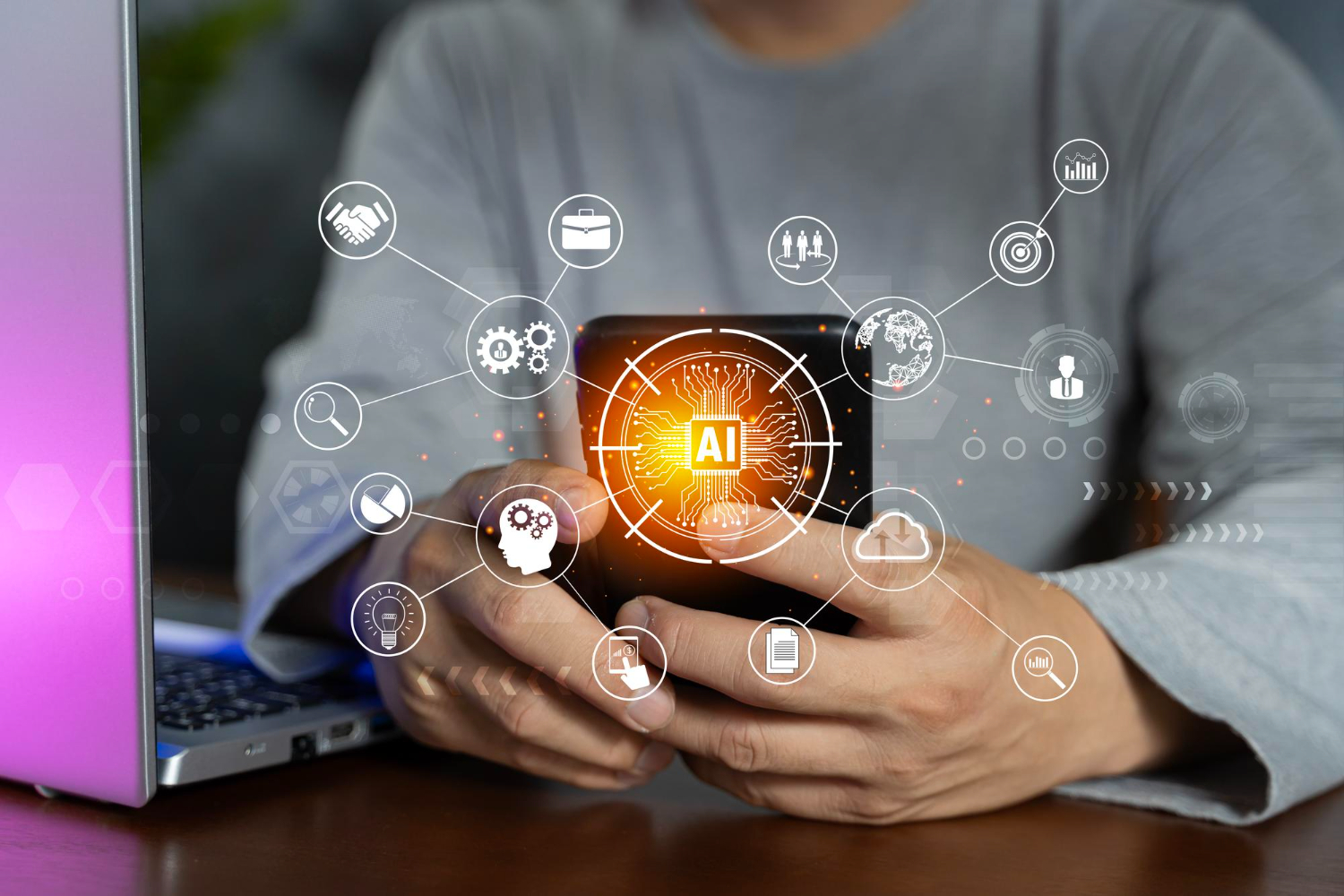
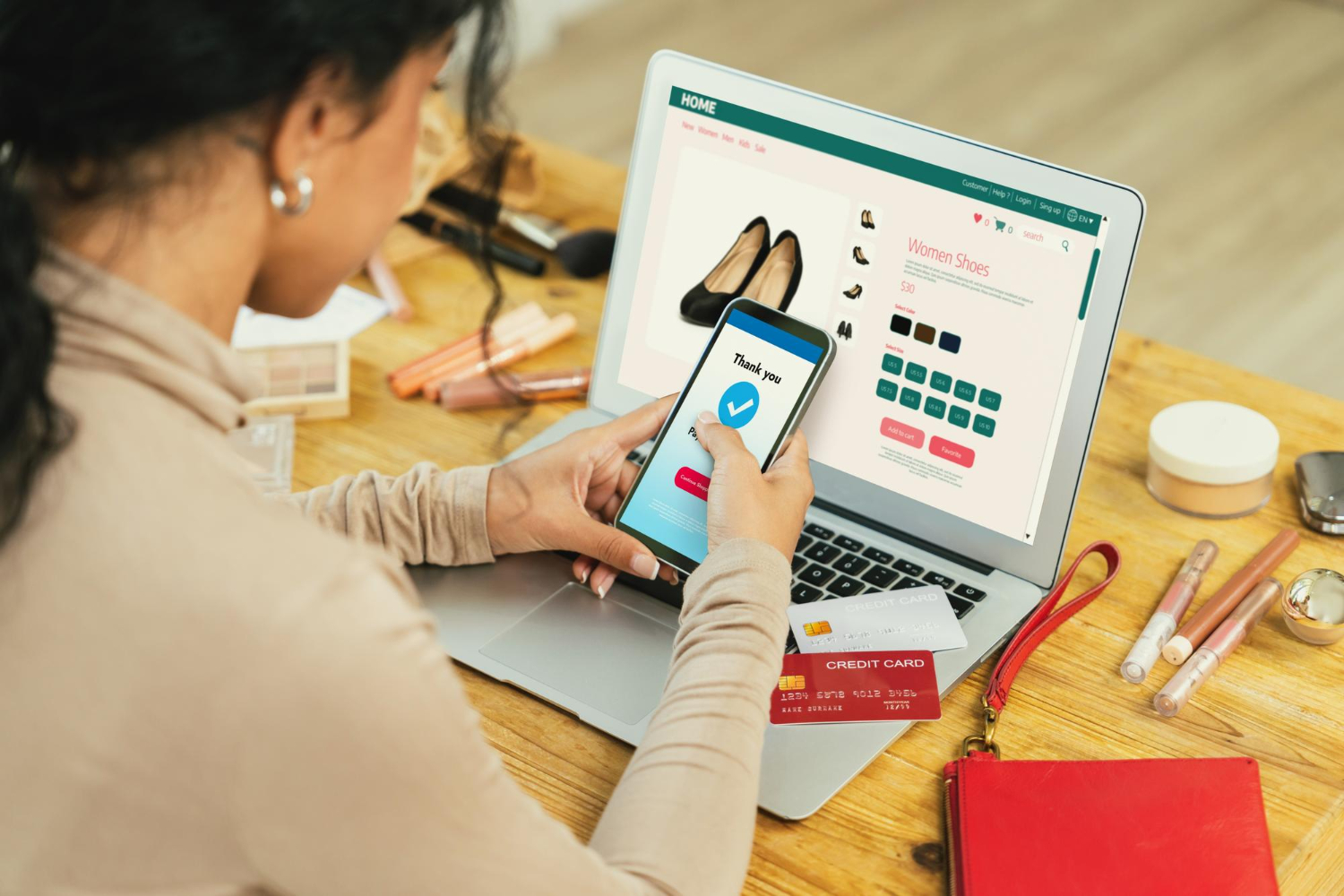
AI marketing campaign are transforming how brands connect with audiences. By combining artificial intelligence campaigns with predictive analytics marketing and marketing automation tools, businesses can personalize experiences, scale faster, and improve ROI. This guide explains strategies, examples, tools, and trends using a practical, human‑friendly approach.
This guide explores:
- What AI marketing campaigns really are
- Brands leading with innovative AI-powered strategies
- How any business can start implementing AI campaigns
- Emerging trends that will dominate in 2026
- FAQs marketers always ask
What Is an AI Marketing Campaign?
An
AI marketing campaign uses data, machine learning, and generative AI content to automatically plan, create, and optimize marketing efforts. Instead of manual decisions, artificial intelligence campaigns learn from real‑time behavior to deliver AI-powered personalization and smarter targeting.
AI campaigns go beyond simple automation—they bring
autonomy,
real-time adaptation, and
data-driven content creation into the core of how marketing works in every channel, from social ads to email flows.
AI vs. Traditional Marketing Campaigns
| Traditional Campaigns |
AI-Powered Campaign |
| Fixed audience segments |
Dynamic predictive audiences using predictive analytics marketing |
| Generic messaging |
AI-powered personalization for every user |
| Manual reporting |
Automated insights from marketing automation tools |
| Static creative testing |
AI-generated creatives & instant variant testing |
Key Foundations of an AI Marketing Campaign
For a campaign to truly qualify as
AI-driven, it shouldn’t just
use AI—AI must be embedded in its decision-making process.
Here’s what sets elite AI campaigns apart:
- Predictive Modeling
- Uses data history to anticipate customer response
- Autonomous Optimization
- The AI adapts campaign elements on the fly
- AI-Generated Content & Design
- Text, visuals, or video elements created with generative models
If AI isn’t influencing strategy or message output at each stage, it’s better described as enhanced automation — not a true AI marketing campaign.
Below are standout examples demonstrating how brands are pushing AI into creative, performance, and engagement dimensions.
- AI-Enhanced Personalized Content Journeys
A global beauty retailer built fully automated individual user paths that tailor product recommendations, tutorials, and offers at each click. Real-time sentiment analysis optimized content flow—boosting average order value by over 28%.
- Conversational AI Chat Experiences for Fans
A major streaming service deployed themed AI chat agents on social platforms tied to its biggest franchises, turning organic fan engagement into measurable campaign performance.
- AI-Generated Influencer Visuals
A fast-moving consumer brand partnered with generative visual AI to produce digital twin content for influencers—driving billions of impressions across social media without traditional photoshoots.
- Mass Personalization of Product Packaging
A global food brand used AI to generate millions of unique package designs, turning every purchase into a collectible moment and sparking a viral trend on social platforms.
- Predictive Email Campaigns with Reinforcement Learning
A global restaurant group layered machine learning on email workflows to adapt delivery times and offer combinations—increasing repeat visits and lifetime value.
- Dynamic Billboards With Visual Recognition
A luxury carmaker used AI-enabled outdoor displays to tailor messages based on passing vehicles and detected user signals—effectively merging OOH with digital personalization.
- Emotion-Aware In-Content Advertising
A major streaming platform experimented with AI that adjusts ad narratives to match real-time content mood—enhancing user retention and engagement.
- Try-Before-Buy AR Campaigns
A beauty brand paired AR virtual try-ons with AI recommendations, transforming mobile engagement into measurable purchase conversions.
- AI-Driven Storytelling Films
Creative collaborations between digital storytellers and AI brought fictional narratives to life across platforms—increasing shareability and earned media.
- AI Chat Agents for Fan Engagement
Global entertainment companies used AI personas tied to iconic characters to maintain high retention and repeat visits across messaging platforms.
These examples illustrate both creative and performance-oriented uses of AI—from AR engagement to predictive distribution and adaptive content.
How to Launch Your First AI Marketing Campaign
Here’s a step-by-step operational playbook.
🔹 Step 1: Define Clear AI Use Cases
Start by clarifying what AI should improve—personalization? creative production? Ad spend optimization?
🔹 Step 2: Select Tools That Fit Your Goals
| Objective |
Recommended AI Tools |
| Content generation |
ChatGPT, Jasper.ai, Writer |
| Creative design |
Midjourney, Adobe Firefly |
| Predictive analytics |
Salesforce Einstein, Dynamic Yield |
| Ad orchestration |
Pattern89, Albert AI |
🔹 Step 3: Prepare & Clean Your Data
Great AI starts with accurate, structured data—CRM, purchase behavior, and campaign performance logs.
🔹 Step 4: Launch, Learn, Optimize
Use real-time dashboards and automated feedback loops to refine audience segments and creative messaging.
Recommended AI Tools
| Objective |
Recommended Tools |
| Content Generation |
ChatGPT, Jasper (generative AI content) |
| Creative Design |
Midjourney, Adobe Firefly |
| Analytics |
Predictive analytics marketing platforms |
| Automation |
HubSpot, ActiveCampaign (marketing automation tools) |
| Personalization |
Dynamic Yield, Insider (AI-powered personalization) |
Future Trends in AI Marketing (2026 Outlook)
Generative AI Becomes Mainstream Creative
More brands will use generative models not just for copy but for imagery and video assets—shortening production timelines and reducing costs.
Emotion & Context Targeting
AI will begin to factor emotional context and real-time sentiment into how ads are delivered, making campaigns feel more “human.”
Predictive Performance Modeling
Expect AI tools that forecast the success of a campaign before it even launches, providing confidence intervals and scenario analysis.
ZK Local for Listing your business
FAQs About AI Marketing Campaign
- What exactly qualifies as an AI marketing campaign?
It’s one where AI meaningfully influences targeting, creative output, or optimization—not just automates repetitive tasks.
- Is AI marketing suitable for small businesses?
Absolutely. Entry points are now accessible with tools starting from affordable monthly plans.
- Can AI replace human marketers?
No—the best results blend AI efficiency with human strategy and brand nuance.
Summary
This guide explains how AI marketing campaigns are reshaping modern marketing by using artificial intelligence, predictive analytics, and automation to create smarter, more personalized, and higher-performing campaigns. Unlike traditional approaches that rely on manual processes and fixed segments, AI-driven strategies use real-time data, machine learning, and generative content to continuously optimize targeting, messaging, and creative elements. The guide highlights core foundations such as predictive modeling, autonomous optimization, and AI-generated content, and showcases real-world examples from leading brands using AI for personalization, conversational experiences, dynamic ads, AR try-ons, and emotion-aware marketing. It also provides a practical step-by-step framework for launching AI campaigns, recommends essential tools, and explores future trends like generative creative production, emotion-based targeting, and predictive performance forecasting. Overall, it emphasizes that combining AI efficiency with human strategy helps businesses scale faster, improve engagement, and maximize ROI.