3.4M
UGC Impressions Generated
eCommerce influencer marketing built for US brands that measure creators in sales, not vanity likes — matching your products with the right TikTok, Instagram, and YouTube audiences.
Get My Free Influencer Marketing Plan











Results from a UniBright ecommerce influencer marketing client
UGC Impressions Generated
Return on Creator Spend
More First-Time Buyers
Higher Repeat Purchase Rate
When a creator is chosen for follower count instead of audience fit, the post racks up views and comments while checkout stays quiet. The fee still gets paid — the shopper just never trusted the recommendation enough to buy.
A creator with a million followers and no purchasing audience burns budget faster than five nano influencers whose communities act on what they recommend. Ecommerce creator marketing only pays off when the audience matches the buyer.
Influencer content is only as strong as the brief behind it. Vague direction, no clear hook, and a missing call to action mean even the right creator produces a video that scrolls right past your ideal customer.
TikTok, Instagram, YouTube, and Pinterest each reward a different content style and buying behavior. Pushing the same creative and offer across all of them equally leaves conversions on the table on every platform.
Without tracked links, discount codes, and a plan to repurpose creator content into ads and product pages, a great campaign ends the day the post does — and you pay full price to earn that attention all over again.
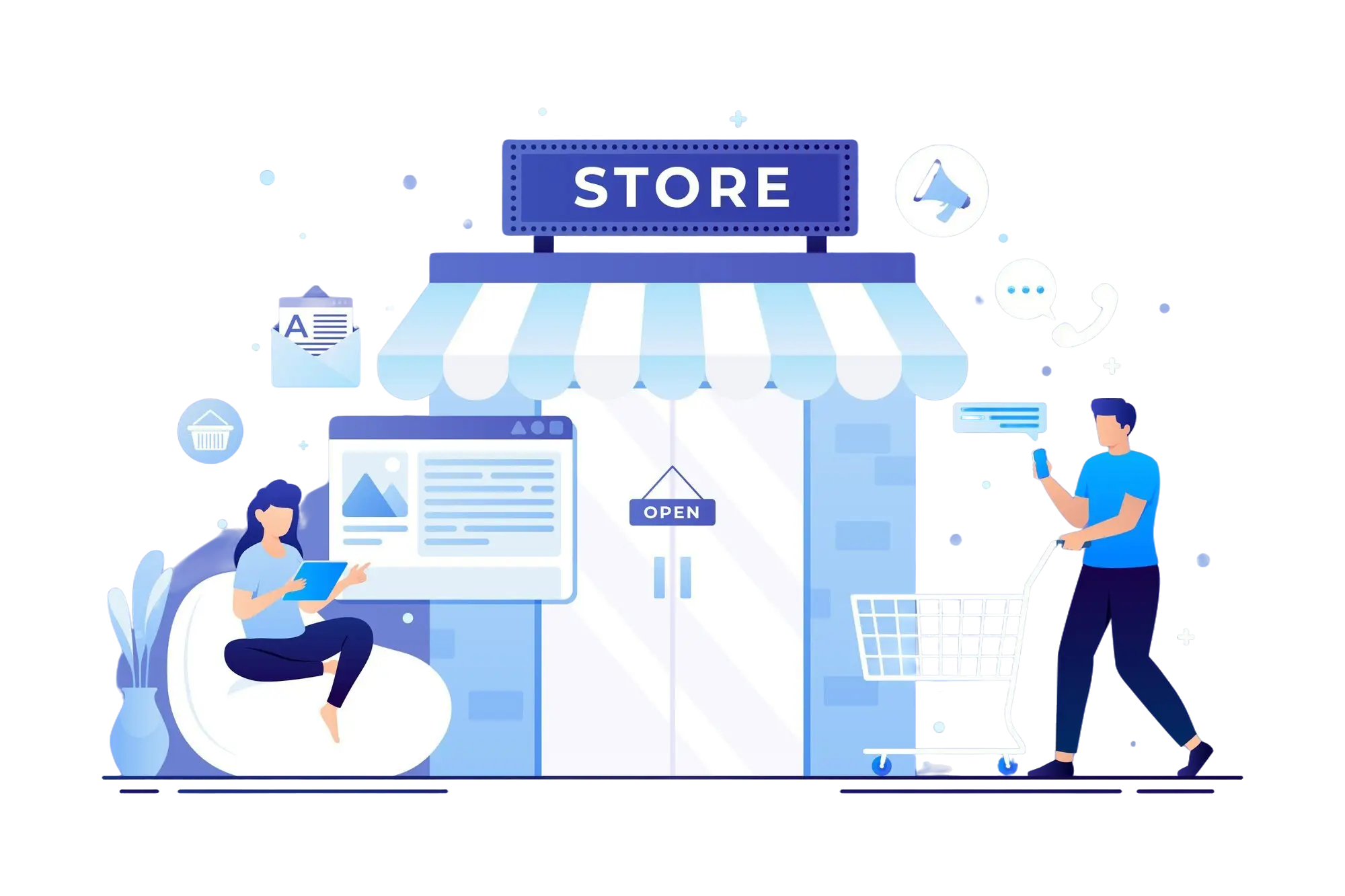
As a full-service ecommerce influencer marketing agency in the USA, UniBright builds your creator strategy, handles discovery and outreach, manages campaigns across TikTok, Instagram, YouTube, and Pinterest, and reports on performance as one connected system — social commerce measured in sales, not likes.

A full review of your brand, products, margins, and target customer before any outreach begins, so every creator we pitch fits the audience you actually need to reach.
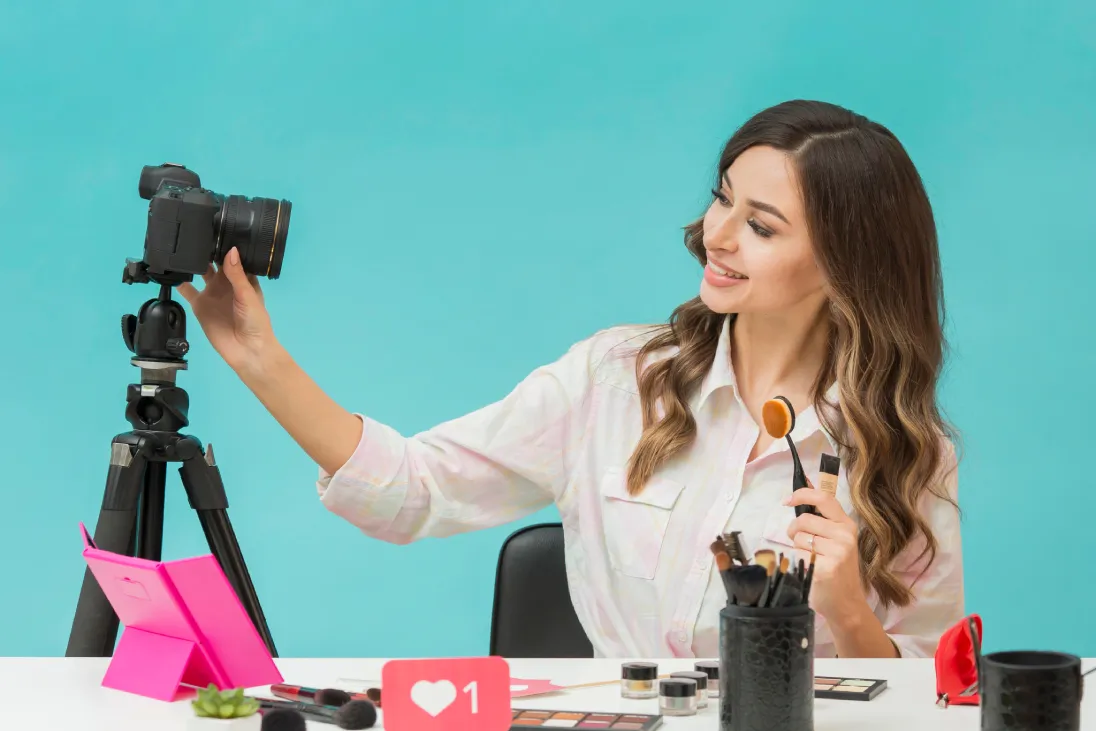
Sourcing nano, micro, and macro influencers using engagement quality, audience overlap, and past brand-partnership performance — not follower count alone.

We handle creator outreach, rate negotiation, deliverables, and usage rights so pricing stays fair and every partnership is documented and protected.
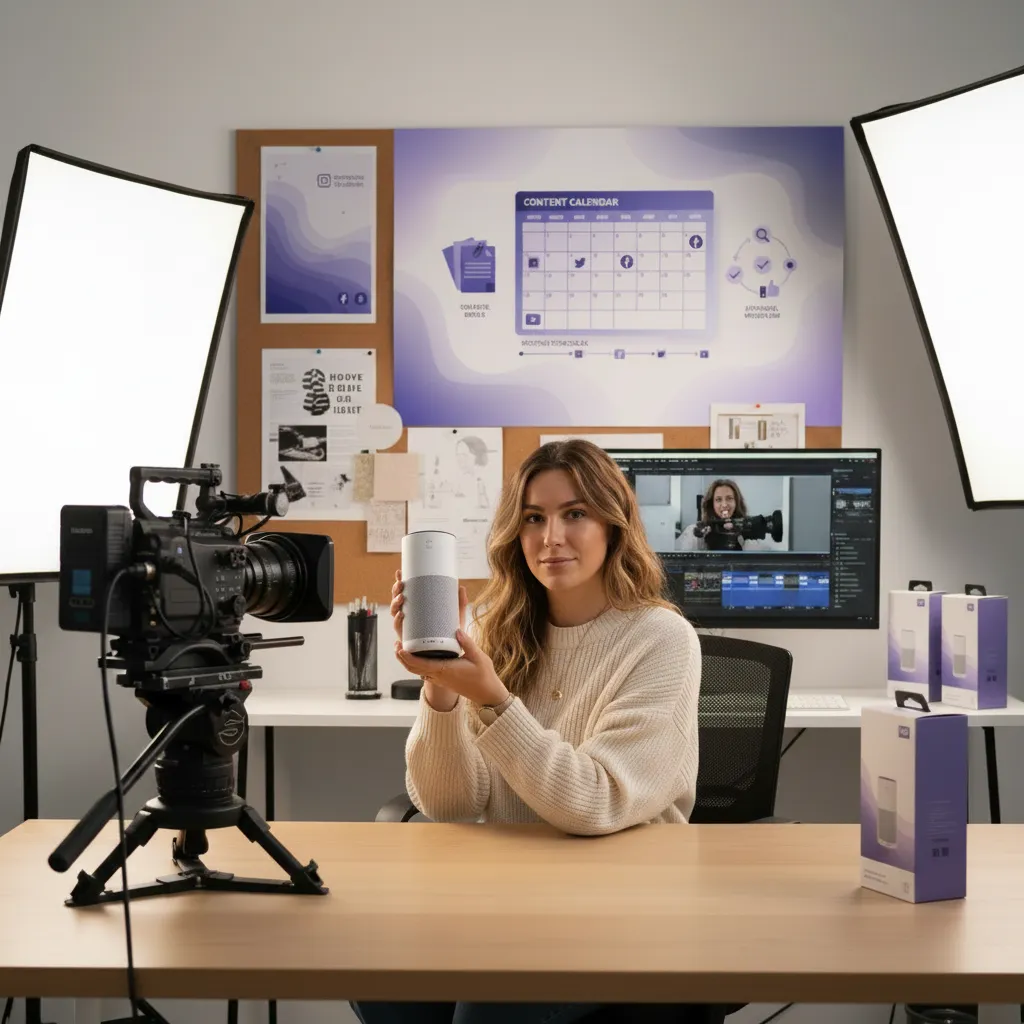
Clear creative briefs, hooks, and calls to action for each platform, plus approvals and posting schedules that keep sponsored content on-brand and on-time.
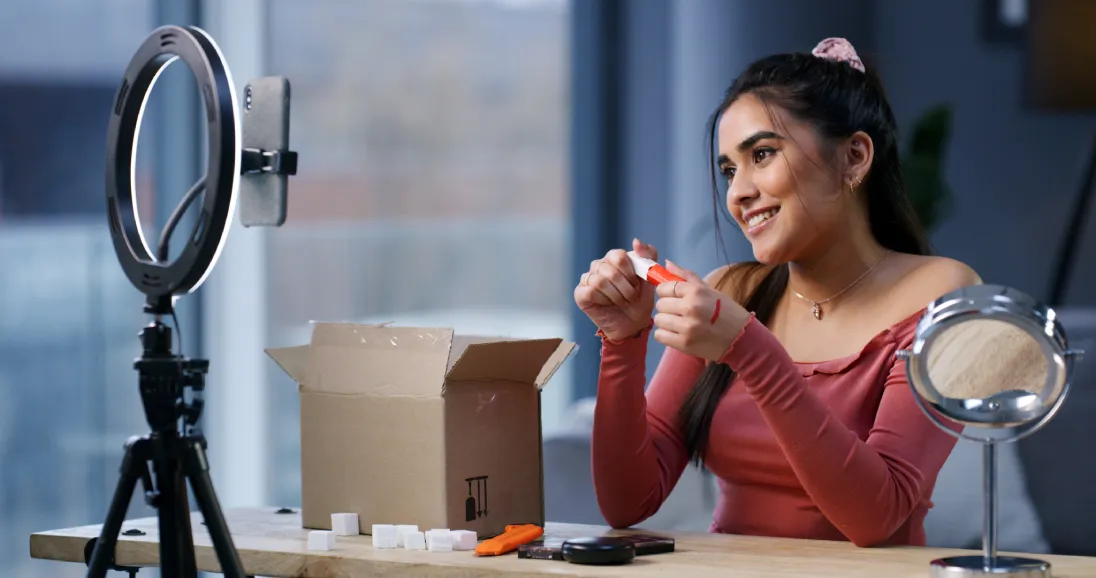
Gifting and long-term brand ambassador programs that build a steady stream of authentic user-generated content instead of one-off posts.

Trackable discount codes, affiliate links, and commission structures so creators are rewarded for the sales they drive, not just the content they post.

Unique links, UTM tracking, and code-level attribution so every reported sale ties back to a specific creator and campaign you can trust.

Using AI for influencer discovery, audience analysis, and content trend spotting, with every partnership and budget decision reviewed and approved by a human strategist.
Ecommerce influencer marketing is when an online store teams up with content creators to promote products to their engaged audiences across platforms like TikTok, Instagram, YouTube, and Pinterest — with the goal of driving product sales, not just reach. In practice, that means a mix of sponsored posts, product seeding, brand ambassador programs, and affiliate partnerships, usually tied to a trackable link or code so you can actually see what each creator brought in. Handled right, it turns into a channel you can scale; put real money behind the creators and formats that pay off, quietly drop the ones that don’t. And here’s the part most brands learn the hard way — whether influencer marketing makes money or wastes it rarely comes down to follower count. It comes down to creator-audience fit, the quality of the content, and clean attribution.
Online stores find influencers three ways: discovery platforms, plain old manual research, and their own customer list. Tools like GRIN and Upfluence let you filter creators by niche, audience demographics, engagement rate, and the brands they’ve worked with before, while a bit of hashtag and location searching turns up people already posting about your category on their own. Don’t skip your customers, either — some of your best partners are buyers who already love the product and mention it without being asked. What matters isn’t landing the biggest account you can afford; it’s the vetting: real audience overlap, engagement that looks authentic rather than bought, and a content style that won’t feel off next to your brand. Screening for fake followers is the unglamorous part, but it’s the difference between paying for reach and paying for recommendations that actually convert into sales.
Ecommerce influencer marketing usually costs a blend of creator fees plus a management fee, and the total really comes down to which creators, platforms, and campaign scope you go with. Creator fees are all over the map; nano and micro-influencers will often take free product plus a small fee or a commission, whereas macro-creators charge per post based on their reach and engagement. Management typically lands as a flat monthly fee or gets scoped per campaign. Rather than throw out a one-size number that won’t mean much, we put together a proposal after a free audit of your brand and goals — so a startup testing a micro-influencer campaign and an established brand scaling an ambassador program aren’t quoted the same thing. Whatever the number, the figure worth watching is net profit after fees and creator costs, not the lowest sticker price you can find.
Yes, and Shopify stores tend to have an easier time of it than most, because the platform plugs straight into the creator and affiliate tools that make tracking painless. Apps for affiliate codes, UTM links, and shoppable creator content let you connect a specific post to a specific order, and Shopify’s native TikTok and Instagram channels push your catalog out for shoppable tags without much fuss. So the plumbing between your store and your campaigns is basically a solved problem — which means the results really hinge on creator-audience fit, content quality, and attribution, not the platform you happen to run. WooCommerce, BigCommerce, and Magento get to the same place through their own plugins. The important thing is that tracking is set up clearly from the start, so every creator’s contribution is measurable from the very first post rather than guessed at later.
AI improves influencer marketing by chewing through far more data than any person could — screening thousands of creators for audience quality, flagging fake followers, predicting how content will perform, and catching trending formats before they peak. AI-powered influencer marketing tools can match your product to creators by audience overlap and engagement patterns, and analytics models help you forecast which partnerships are actually likely to convert before you spend a dollar. What AI still can’t do is the judgment work: deciding whether a creator’s voice truly fits your brand, negotiating a partnership that feels fair to both sides, or noticing when a campaign is optimizing toward the wrong goal entirely. The workable balance is letting AI move fast across discovery, vetting, and trend-spotting while a human owns the creative direction, the relationships, and the budget calls — because those are the decisions that decide whether a campaign drives sales or just activity.
The best platform for ecommerce influencer marketing depends on your product and who’s buying it, but for most brands TikTok and Instagram are the two that pack the most weight, since both pair short-form video with shopping features and genuinely engaged creator communities. TikTok is where discovery happens — it’s tough to beat for impulse-friendly, easy-to-demo products in beauty, fashion, and food. Instagram leans more polished, and its Stories tend to convert well for lifestyle brands. YouTube is the one to reach for when a product needs a proper demonstration or review before someone commits, and Pinterest, which people overlook, quietly moves a lot of home decor, jewelry, and wedding-adjacent inventory. So instead of picking a favorite and forcing every product onto it, the smarter move is matching each product and campaign goal to wherever its buyer already hangs out — then shaping the content to fit that platform rather than the other way around.
The difference is how the creator gets paid: influencer marketing pays a creator to make and share content about your brand, usually for a flat fee, while affiliate marketing pays a commission only when that person’s link or code drives a sale. In reality, the line blurs all the time — plenty of creators take an upfront fee and a trackable affiliate code, so you’re building the brand and rewarding performance in one deal. If you need awareness, a launch moment, or a stack of content, influencer marketing is the lever; if you want to scale sales at a cost per acquisition you can predict, affiliate marketing does that better. Most growing ecommerce brands honestly run both — lead with influencer campaigns to earn trust and generate content, then graduate the creators who perform into long-term affiliate partners. Run together, the two let you capture attention and pay for measurable results without treating them as separate programs.
Micro-influencer marketing means working with creators who usually sit somewhere between around 10,000 and 100,000 followers — big enough to move product, small enough to still feel like a real person recommending something. That’s the whole appeal: their engagement rates tend to run higher and their communities are tighter and more trusting than a macro-influencer’s, so per dollar spent, their recommendations often convert better. For ecommerce brands, there’s a practical upside too. Spreading a budget across several micro-influencers instead of betting it all on one celebrity lowers your risk, hands you a lot more varied user-generated content, and lets you reach several niche audiences at once. Nano influencers, smaller still, can outperform everyone for local or highly specialized products. It’s why campaigns built around a cohort of vetted micro and nano creators frequently beat a single expensive partnership — the combined authenticity and reach simply adds up to more.
The best ecommerce influencer marketing strategy starts with two unglamorous things done well: precise creator-audience matching and clean attribution. From there, lead with a mix of micro and nano influencers for authentic reach and layer in a few larger creators when you need scale. Seed product early so you build a library of user-generated content, give every creator a brief with a real hook and a clear call to action instead of vague direction, and hand out trackable codes so nothing is guesswork. When a creator performs, don’t let the relationship end with the post — turn your best ones into long-term ambassadors and affiliate partners. To scale without bleeding margin, pour more into the creators, platforms, and formats already returning the most, and recycle your top posts into paid ads and product-page content. There’s no universal playbook here; the strategy that works is the one built around your product, your margins, and your customer.
The clearest way to choose the best ecommerce influencer marketing agency in the USA is to look at how it defines success — the strongest US agencies report on sales, cost per acquisition, and return on creator spend, not likes or follower growth. Beyond that, ask about the hands-on stuff: creator discovery, vetting for fake audiences, campaign management across TikTok and Instagram, and proper affiliate and code-level tracking. You want transparent reporting you actually own, and an agency willing to audit your brand before it asks you to sign anything. Whether you’re after a TikTok influencer marketing partner, a micro-influencer campaign service, or someone to run an ecommerce ambassador program, be wary of anyone promising guaranteed viral results or asking for a long contract before they’ve proven a thing. A free upfront audit is a good sign — it means you can judge the strategy on its merits before committing.